
Many international couples in Berlin hear the same tip sooner or later: get married in Denmark, then come home and celebrate. The paperwork in Germany can take months when one of you isn’t German, and Denmark is a short trip away. So the legal part happens in a Danish town hall, and the real party happens back in Berlin with your friends.
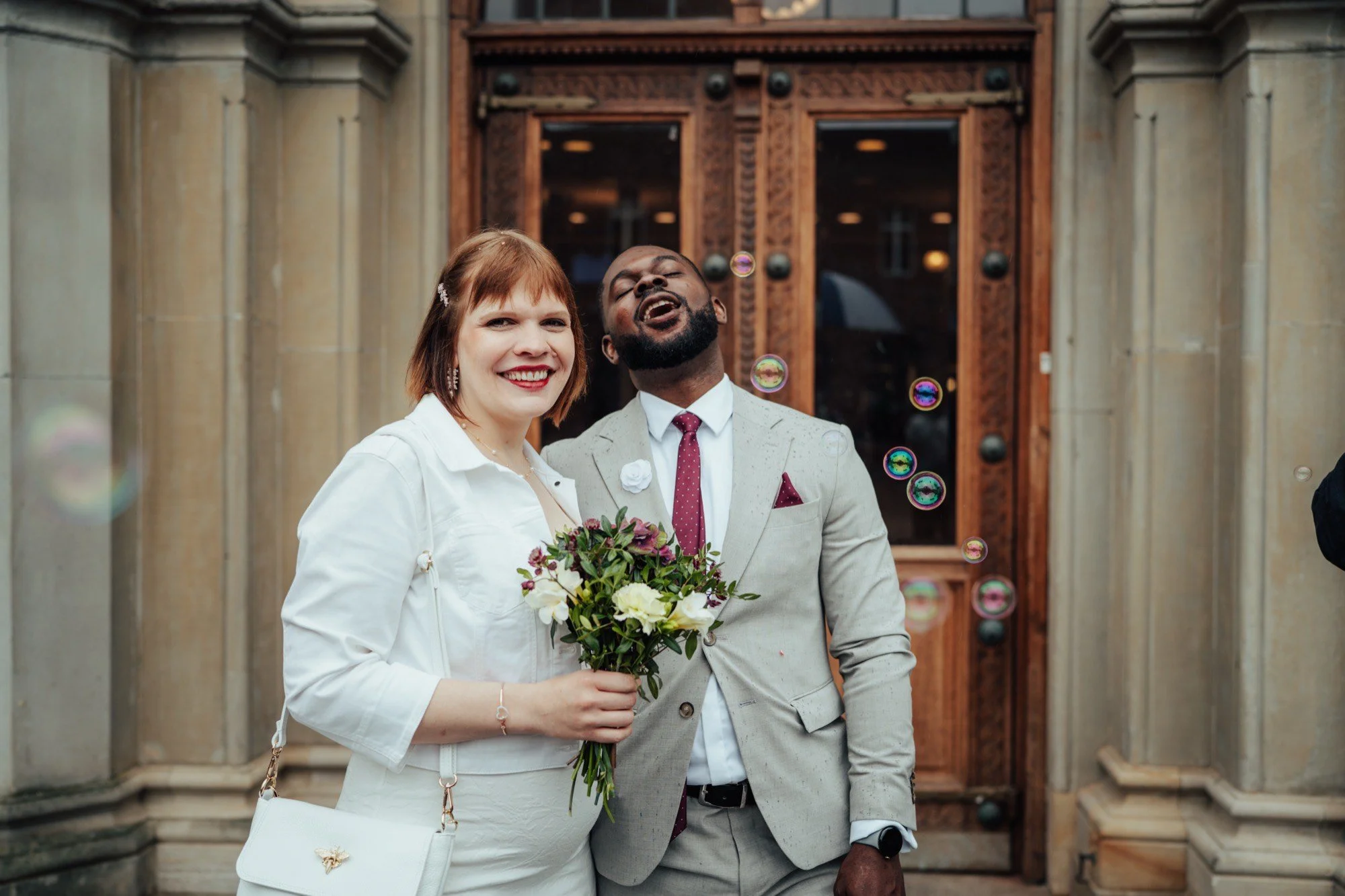
I’m a wedding photographer in Berlin, and I’m not a lawyer. This guide walks you through the Danish steps with links to the official pages, explains what your Danish certificate means in Germany, and then covers the part I know best: how to plan and photograph the Berlin celebration. I’ve photographed a civil wedding in Denmark for Katha and Andrew: a quiet town-hall day, covered in the same calm documentary way I work in Berlin. You can see their gallery.
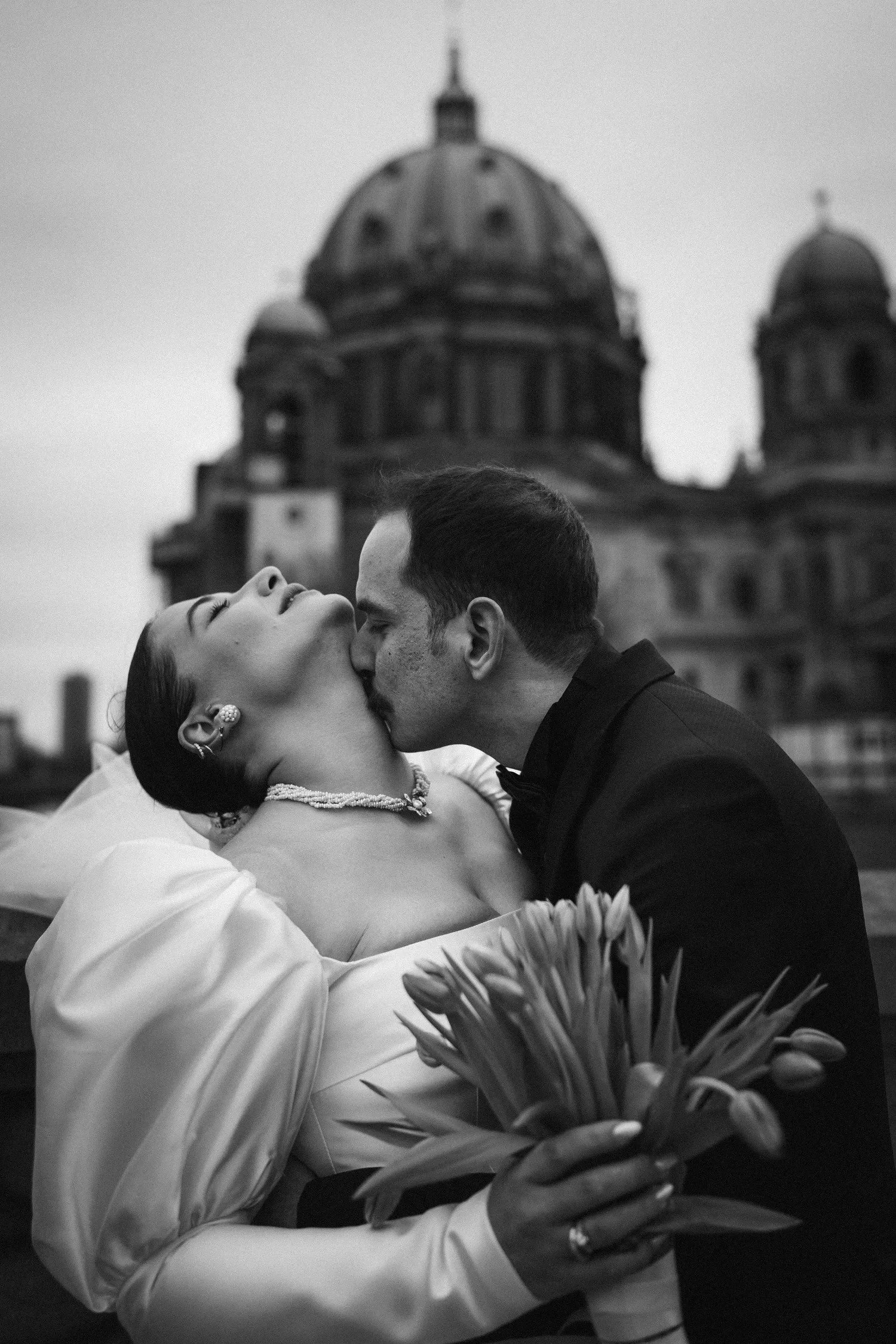
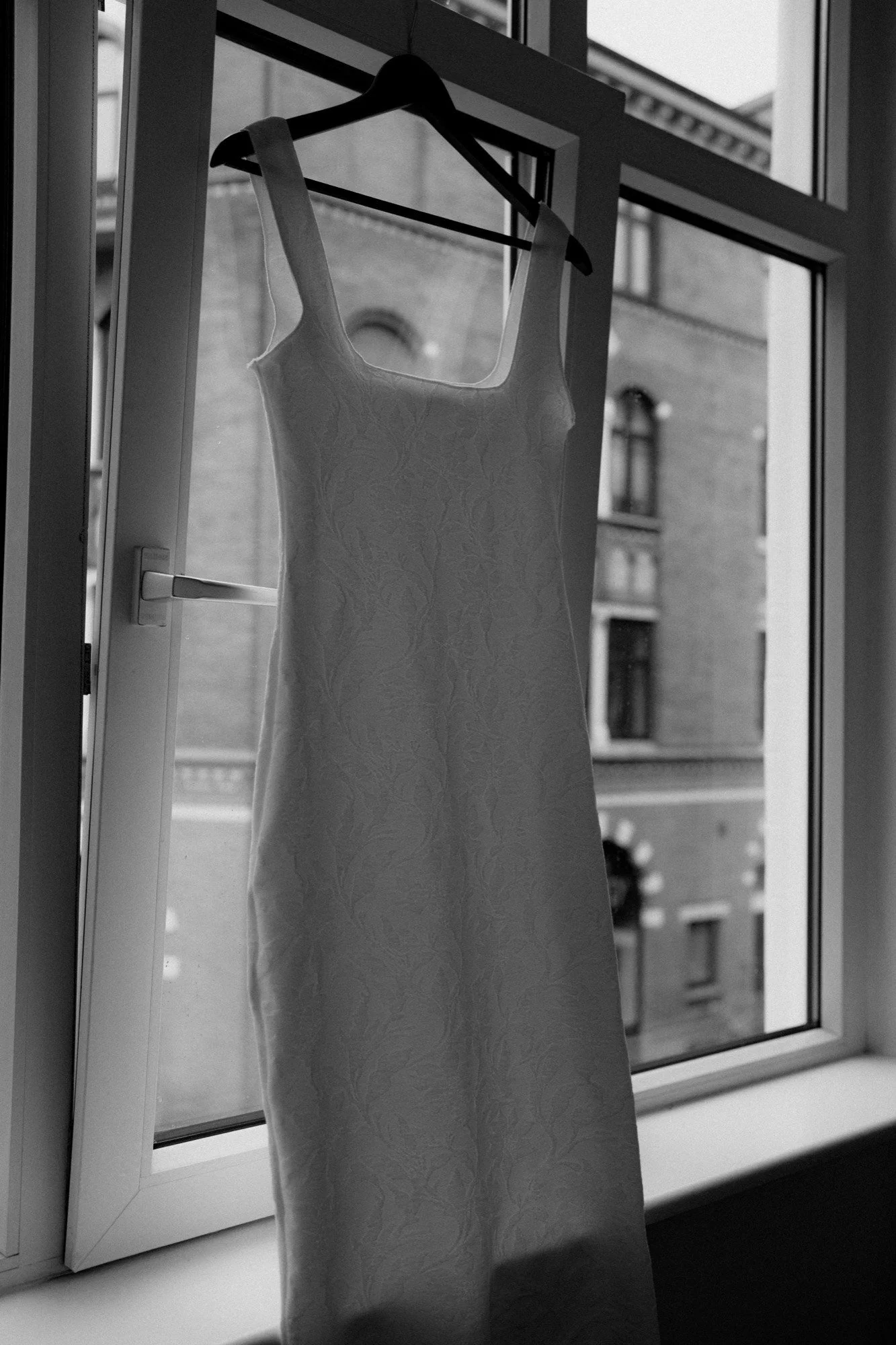
Why couples marry in Denmark and celebrate in Berlin
Fewer documents. To marry at a German Standesamt as a foreigner, you usually need documents from your home country, translated and sometimes legalised, and some couples also need an exemption from the Higher Regional Court. My guide to getting married in Berlin as a foreigner explains that route.
A clear timeline. In Denmark, one agency checks your documents online, and a complete application usually gets an answer within days rather than months.
Two days instead of one. The legal wedding becomes a small trip for the two of you, maybe with your witnesses. The celebration in Berlin can then be as big or as small as you like, on a date that suits your guests.
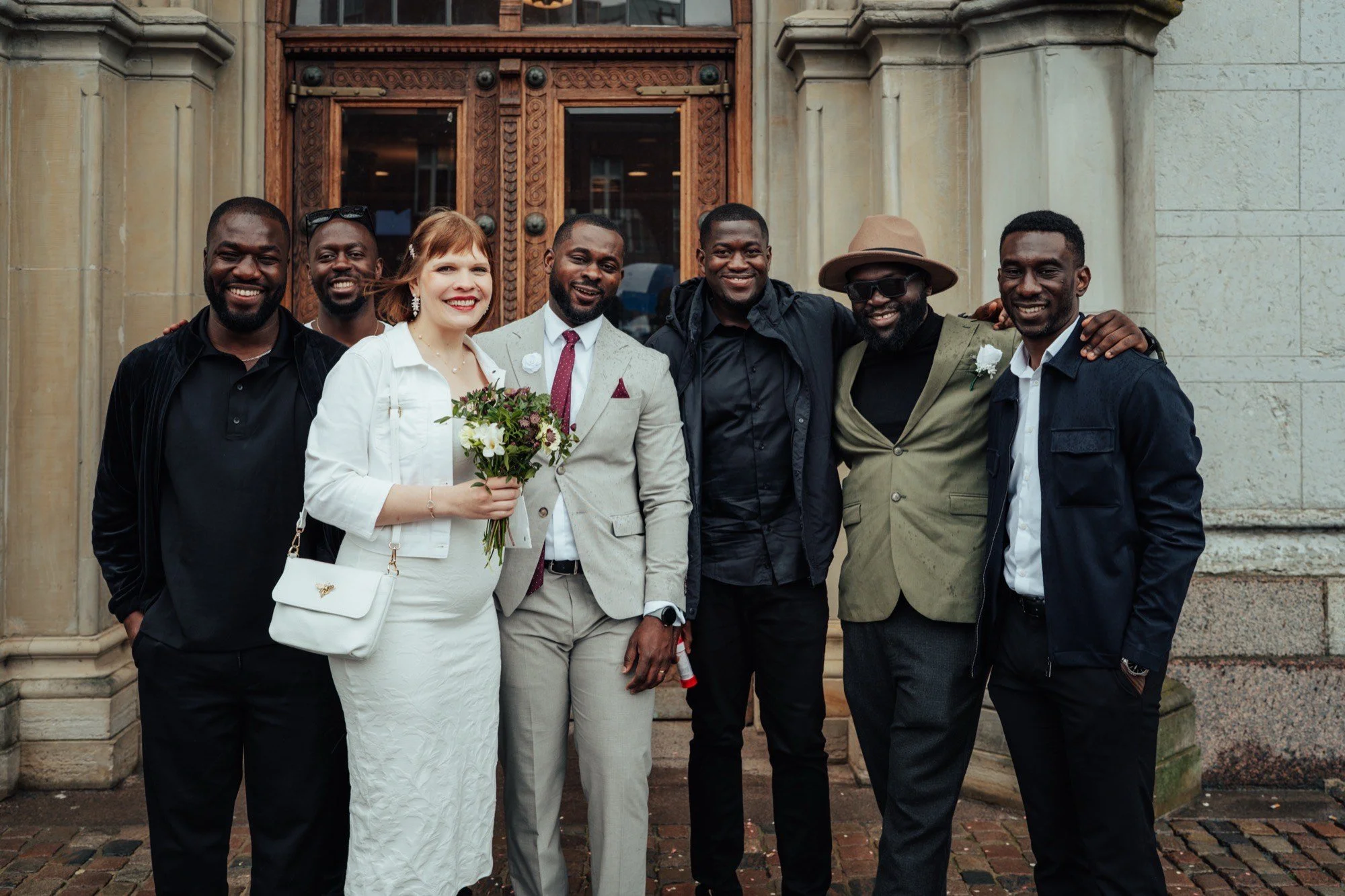
The Danish part, step by step
These are the steps as the Danish Agency of Family Law (Familieretshuset) describes them in November 2026. Rules and fees change, so always check the official Life in Denmark page on marrying in Denmark before you book anything.
Apply for a certificate of marital status. If you aren’t both Danish, Nordic or permanently living in Denmark, you apply online to Familieretshuset. The fee is DKK 2,100 in 2026. You pay it when you submit, and it isn’t refunded if the application is turned down.
Upload your documents. You need colour photos of every page of your passports (an EU ID card works too), proof that you may enter and stay in Denmark, and proof that any earlier marriage has ended. Documents in other languages need a translation into Danish, English or German. Since 10 April 2026 there are new rules on proving your legal stay in the Schengen area, so non-EU partners should read that part carefully.
Both of you finish your part within 14 days. If one partner doesn’t complete their section in time, the case is closed and you pay the fee again.
Wait for the decision. A complete application is usually decided within 5 working days. If the agency asks for more documents, it can take much longer: in early November 2026 it was working on those cases from August 2026.
Book your date with a Danish municipality. The certificate is valid for 4 months, or less if a passport or visa runs out sooner. You choose the town hall and the date with the municipality (kommune), not with Familieretshuset.
Get married and ask for your certificate. After the ceremony, ask the municipality how to get your marriage certificate, and ask for the multilingual EU form as well (more on that below).
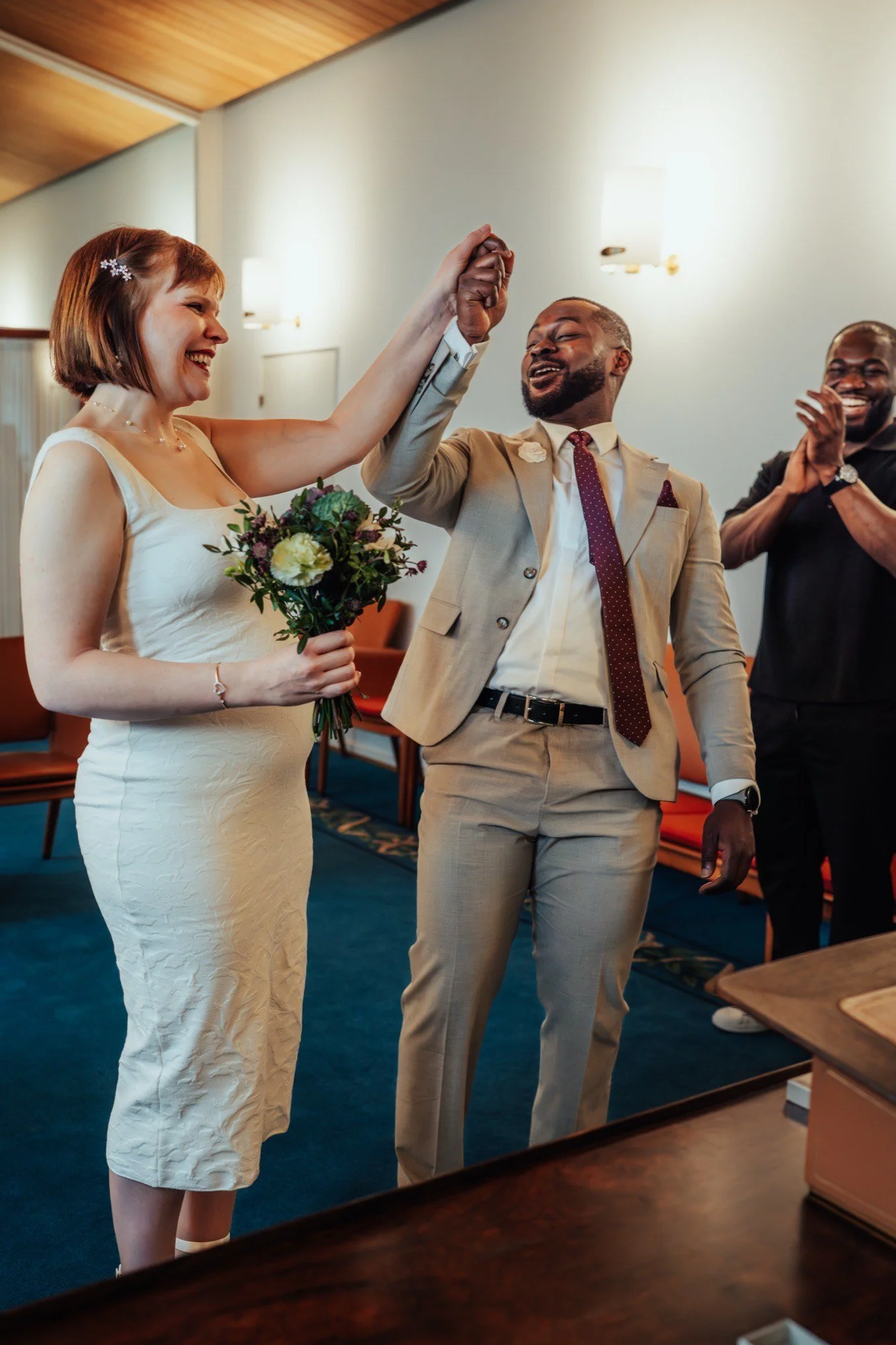
What happens back in Germany
A marriage that took place in Denmark is generally recognised in Germany, as long as you both met the requirements of your own countries and the wedding followed Danish law. That’s how the German Federal Foreign Office puts it. You don’t have to register the marriage in Germany. If one of you is German, you can choose to have it recorded with a German registry office, which makes later paperwork easier.
No apostille. Within the EU, public documents such as marriage certificates don’t need an apostille. You can ask the Danish authority for a multilingual standard form with a German translation, which often saves you a certified translation. The German office you show it to can still ask for one in rare cases.
Questions about your situation go to the Berlin Standesamt or the German embassy in Copenhagen, especially if one of you isn’t an EU citizen or your residence permit depends on the marriage.
Planning the Berlin celebration
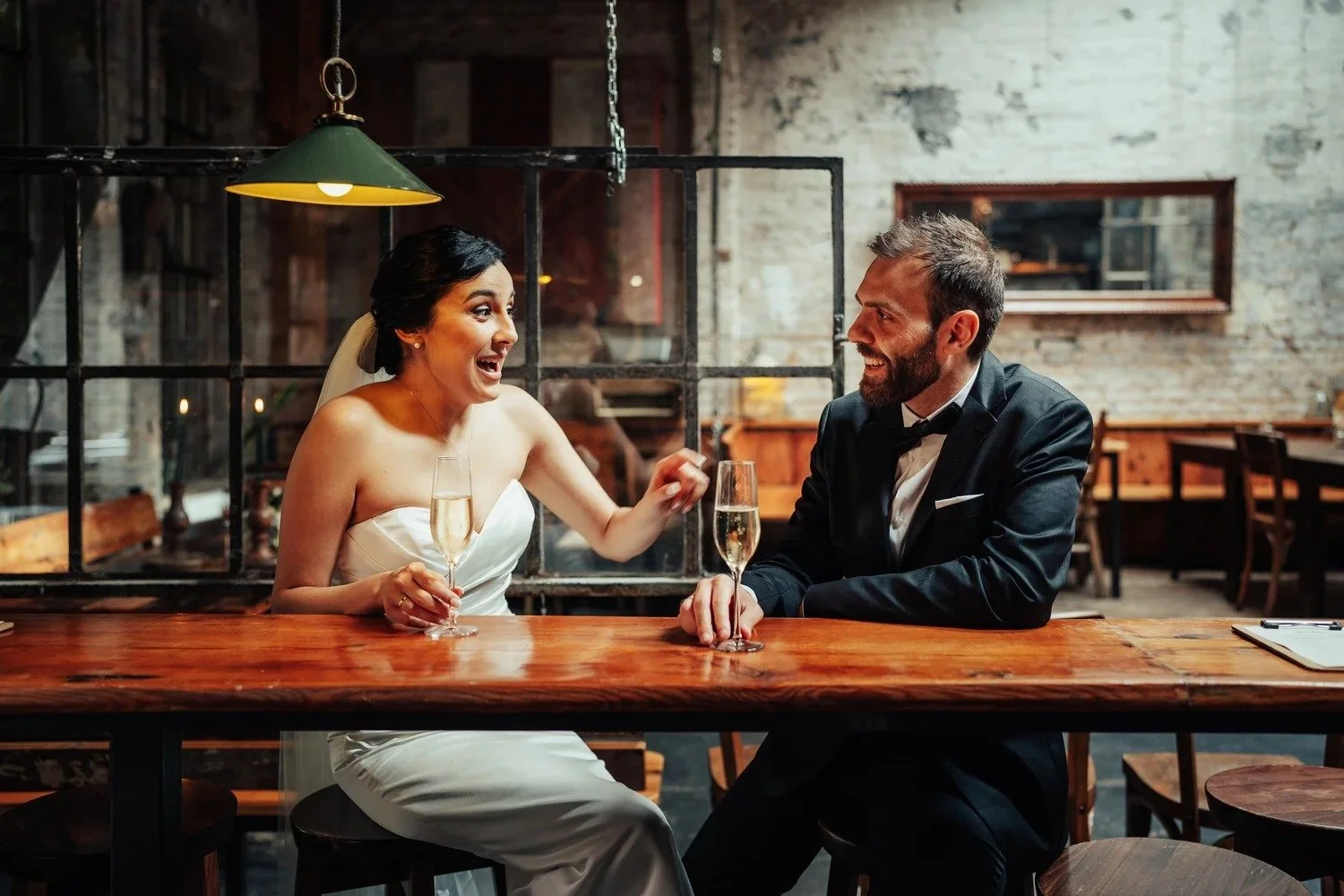
Once you’re legally married, your Berlin day has no legal rules to follow. You can keep it simple or build a full wedding day around it.
A symbolic ceremony. Some couples want their guests to see them say their vows. A free ceremony with a celebrant, a friend leading it, or just a toast at dinner all work. It has no legal effect, and it doesn’t need to.
A dinner or a party. A long table at a restaurant, a garden in summer, or a loft for dancing. My guide to outdoor wedding venues in Berlin has places to start with.
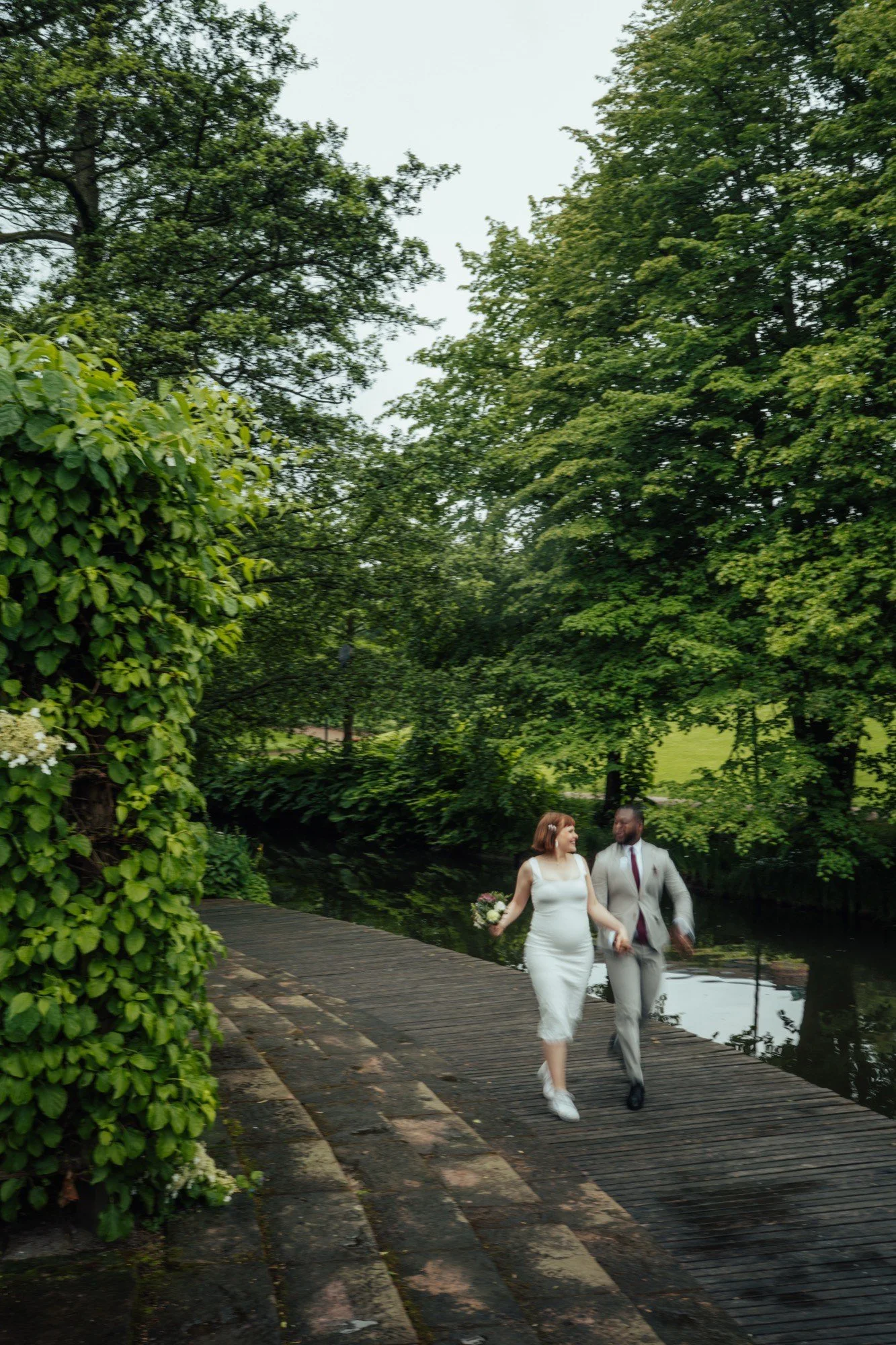
Portraits in the city. Berlin is a good backdrop for couple photos: Museum Island, the river, quiet streets in Mitte. Plan about an hour for portraits, and we can time it for the softest light of the day.
Keep your outfits. If you wore your wedding clothes in Denmark, wear them again in Berlin. Your guests will see the look you chose, and the photos from both days fit together.
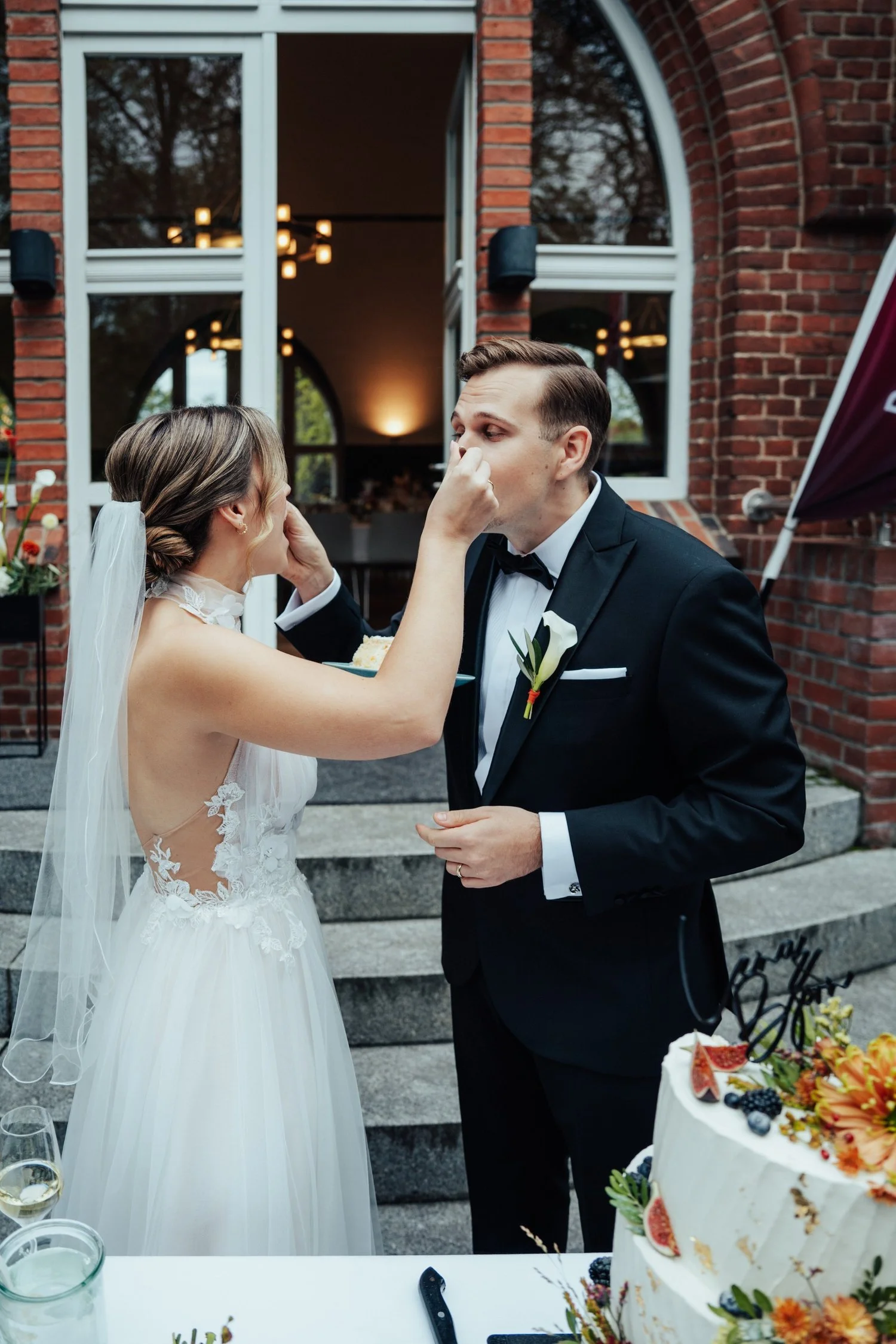
I’ve photographed plenty of Berlin days that start with a short Standesamt ceremony and then open into portraits and dinner. Once that quiet legal bit is done, the rest of the day can feel like a real celebration rather than a checklist.

How many hours of photography you need
It depends on what happens on the day. For a symbolic ceremony, portraits and the start of dinner, my Intimate collection gives you four hours for €1,490. If you want the whole evening, up to the first dance, the Storyteller collection gives you six hours for €1,890, or €1,690 on Monday to Thursday dates and in March, April and October.
You’d like photos of the Danish wedding too? I travel across Europe, and travel costs are quoted per wedding. All collections and extras are on the pricing page.
Things worth knowing
Start with the Danish dates. The certificate is valid for four months, so plan your Berlin celebration around the Danish wedding, not the other way round.
Bring your witnesses or ask the town hall. Danish municipalities set their own rules for witnesses and ceremony languages. Ask when you book.
Save the certificate for later. You’ll need it for name changes, residence permits and tax classes in Germany. Keep the multilingual form with it.
Tell your guests what they’re celebrating. A short line on the invitation (“we got married in Denmark, now we want to party with you”) clears up questions on the day.
Questions couples ask
Is a Danish marriage valid in Germany?
Generally yes. Germany recognises a marriage performed abroad if both partners met the requirements of their own countries and the local legal form was followed. You don’t need to register it in Germany, though German citizens can choose to.
Do we need an apostille for a Danish marriage certificate in Germany?
No. Under EU rules, a Danish marriage certificate needs no apostille in Germany. You can ask the Danish authority for a multilingual standard form with a German translation, which usually saves you a certified translation.
How much does it cost to get married in Denmark as a foreigner?
The certificate of marital status from Familieretshuset costs DKK 2,100 in 2026, paid when you apply and not refunded if the application is refused. Municipalities may charge their own fees, and travel comes on top.
How long does the Danish process take?
A complete application is usually decided within 5 working days. If more documents are needed, it can take months. The certificate is then valid for 4 months, and you book the wedding date with a Danish municipality.
Can we have a wedding ceremony in Berlin after marrying in Denmark?
Yes. A symbolic or free ceremony in Berlin has no legal effect, so you can hold it anywhere you like, led by a celebrant or a friend. You can pair it with a dinner or a party for your guests.
Can you photograph both the Danish wedding and the Berlin celebration?
Yes. I’m based in Berlin and travel across Europe, with travel costs quoted per wedding. For the Berlin day, the Intimate collection covers four hours for €1,490.
Ready to plan your Berlin day?
Tell me when you’re getting married in Denmark and what you’d like the Berlin celebration to look like. I’ll reply with ideas for the day and which collection fits. Get in touch here.
